OSHA Violations for Flooring Contractors: What They Are, What They Cost, and How to Avoid Them

If your facility has ever been flagged during an OSHA inspection, or you’re preparing for one, there’s a good chance your floors were part of the conversation. Slip, trip, and fall violations have ranked among the most cited OSHA standards every year for over a decade. 

In food processing plants, pharmaceutical facilities, warehouses, and manufacturing environments, floors face constant chemical exposure, heavy traffic, and wet conditions. When flooring systems deteriorate or fail, the issue becomes more than maintenance. It becomes a compliance risk.

This guide explains the types of OSHA violations flooring contractors and facilities should understand, the potential penalties, common floor-related citations, and how proper floor coating systems help maintain compliance.

How Many Types of OSHA Violations Are There?

There are six types of OSHA violations. Each carries a different penalty structure based on the severity of the hazard and the employer’s awareness of it.

De minimis

A de minimis violation is a technical violation that has no direct effect on worker safety or health. OSHA does not issue citations or fines for these conditions.

Other-Than-Serious Violations

Other-than-serious violations involve conditions that could cause harm but are unlikely to result in death or serious physical injury. These violations still require correction and may carry financial penalties, but they represent the lowest severity level.

Serious Violations

A serious violation occurs when a hazard could cause death or serious physical harm and the employer knew, or should have known, about the condition. This is one of the most common classifications in industrial inspections. For example, a slippery industrial flooring surface in a production area without proper anti slip treatment can result in a serious OSHA citation.

Willful Violations

Willful violations occur when OSHA determines an employer intentionally disregarded a safety requirement or showed plain indifference to worker safety. These violations carry significantly higher penalties than serious violations.

Repeat Violations

Repeat violations are issued when a facility is cited for a substantially similar condition within five years of a previous citation. Because OSHA views these as unresolved compliance failures, penalties can increase significantly.

Failure-to-Abate Violations

Failure-to-abate penalties occur when a cited violation is not corrected by the deadline specified in the citation. These penalties accrue daily and can quickly exceed the original fine if the hazard remains unaddressed.

What Are the Most Common OSHA Violations for Flooring Contractors and Facilities?

Not all OSHA citations are created equal, and not all of them apply equally to facilities with floor coating systems. These are the standards that come up most frequently in flooring-related enforcement actions.

Walking Working Surfaces – 29 CFR 1910.22

This regulation governs floor safety in general industry. Under 29 CFR 1910.22, employers must maintain walking surfaces that are:

  • Clean and dry whenever possible
  • Free of hazards such as corrosion, spills, loose material, or deteriorating surfaces
  • Capable of supporting intended loads
  • Accessible through safe entry and exit routes

Facilities must also conduct routine inspections of walking working surfaces.

In many cases, violations occur when floor coatings fail. Delamination, surface erosion, cracked concrete, and poor drainage allow moisture and chemicals to accumulate.

Fall Protection—29 CFR 1926.501

Fall protection has been the single most cited OSHA standard across all industries for over 15 consecutive years. For flooring contractors performing installation work near floor openings, loading dock edges, elevated slabs, or mezzanines, this standard governs the use of guardrails, safety nets, and personal fall arrest systems. Inadequate or improperly anchored fall protection during a coating installation project exposes the contractor, and potentially the facility owner, to serious citation risk.

Hazard Communication – 29 CFR 1910.1200

Flooring contractors often work with epoxy resins, urethane coatings, solvents, and surface preparation chemicals. OSHA requires employers to clearly communicate chemical hazards.

Facilities must provide:

  • Safety Data Sheets (SDS)
  • Proper labeling of chemicals
  • Employee hazard training

Failure to document and communicate these hazards can result in OSHA citations and health and safety fines.

Drainage Issues in Wet Process Environments

Facilities such as food processing plants, pharmaceutical operations, and commercial kitchens frequently operate wet processes that involve washdowns and sanitation cycles.

OSHA requires proper drainage and safe standing surfaces in wet areas. Pooled liquids or slippery floors can create violations under the walking-working surfaces standard.

Floor coating systems that crack, lose adhesion, or develop low spots allow liquids to accumulate and increase the likelihood of violations.

Recordkeeping and Posting Requirements – 29 CFR 1904 and 1903.16

When OSHA issues a citation, the employer must post the notice near the location of the violation for at least three working days or until the hazard is corrected.

Failure to post the citation can result in additional penalties. This requirement is often overlooked in large facilities where violations occur in multiple areas.

How Floor Coating Systems Help Maintain OSHA Compliance

Flooring conditions directly influence OSHA compliance in many facilities. A properly designed floor system addresses several safety risks.

Slip Resistance

Slip resistant surfaces reduce the likelihood of fall related violations. Flooring systems designed for wet or chemical environments help maintain safe traction over time.

Chemical Resistance

Facilities that use solvents, sanitizers, or acids require flooring systems designed to resist those chemicals. When coatings degrade from chemical exposure, floors can develop hazards such as soft spots, surface damage, or pooling liquids.

Proper Drainage

Flooring systems should incorporate proper slope and drain placement. Effective drainage prevents standing liquid that can lead to slip hazards and OSHA citations.

Visual Safety Markings

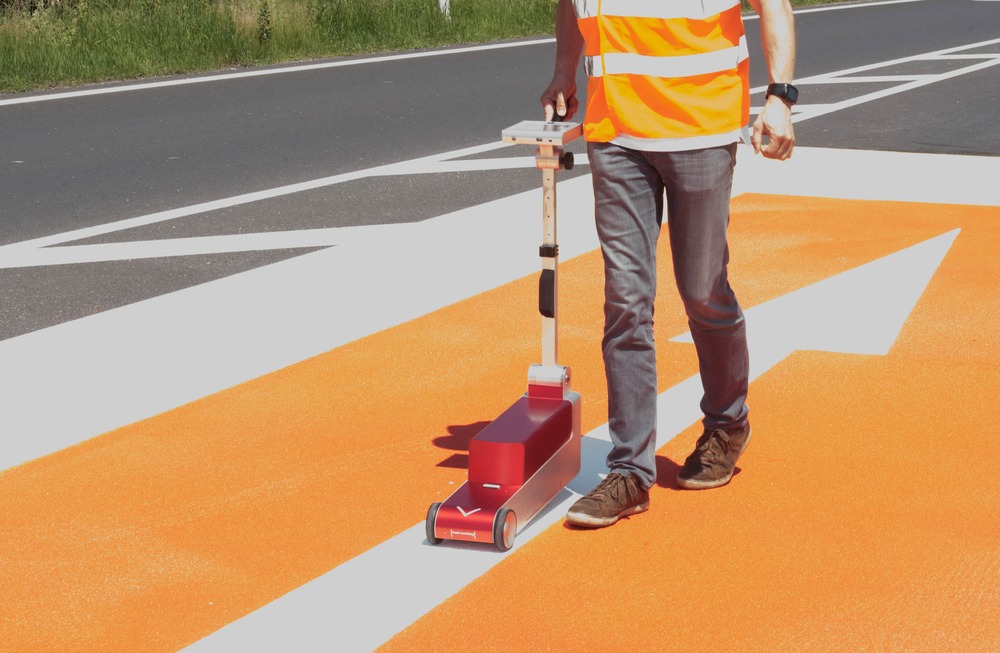
Industrial floor coatings can include color coded traffic lanes, forklift paths, hazard zones, and emergency egress markings. These markings improve visibility and help facilities maintain organized and compliant work areas.

Inspection Readiness

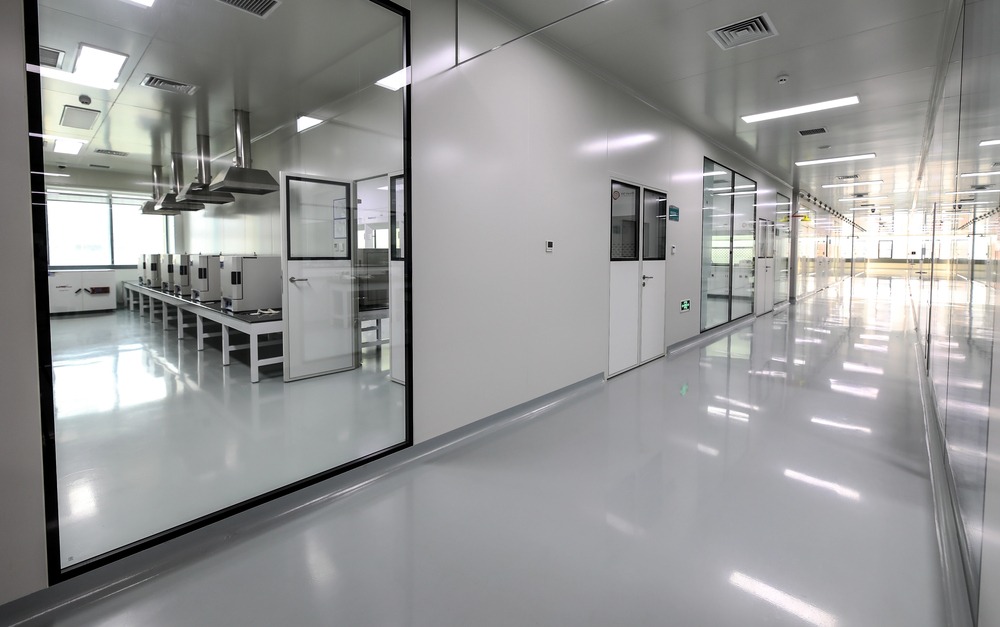
Seamless, well maintained floors are easier to clean and inspect. Deteriorating surfaces create recurring maintenance issues and increase the risk of compliance problems during inspections.

Peckham Coatings has worked for more than a century in environments where these standards are critical, including food processing, pharmaceutical manufacturing, healthcare, aerospace, and commercial facilities. The systems installed in these facilities are designed to withstand demanding operating conditions and long term compliance requirements.

What Happens After an OSHA Inspection?

If OSHA identifies violations during an inspection, the employer receives a formal citation describing the hazards and proposed penalties.

Employers must post the citation near the violation site within three working days. The citation includes an abatement deadline that specifies when the hazard must be corrected.

Employers have 15 working days to contest the citation through an informal conference with OSHA or a formal appeal.

Several factors may reduce penalties, including:

  • Documented safety programs
  • Evidence of good faith compliance
  • Prompt correction of hazards
  • Company size

If violations are not corrected by the deadline, OSHA may issue failure to abate penalties that accumulate daily.

If a similar violation occurs within five years, OSHA can classify it as a repeat violation with significantly higher fines.

Addressing the root cause of floor hazards is often the most effective way to avoid repeated citations.

Protecting Your Facility from OSHA Violations

Addressing flooring issues before they become safety hazards is often far more cost effective than dealing with OSHA citations after an inspection.

When floor coatings deteriorate, lose slip resistance, or develop drainage problems, facilities face increased risk of slip hazards, chemical damage, and compliance violations. The cost of correcting these issues after citations, along with potential fines and operational disruptions, can quickly exceed the cost of installing a properly engineered flooring system.

At Peckham Coatings, we install high-performance floor systems designed for demanding environments such as food processing plants, pharmaceutical facilities, manufacturing operations, and warehouses. Our systems are built to improve safety, withstand heavy use, and support the compliance requirements facility managers face every day.

If your facility is considering a flooring upgrade to improve workplace safety and reduce the risk of OSHA violations, contact us today to request a technical consultation. Our team will evaluate your existing flooring conditions and recommend solutions designed to enhance safety, support compliance, and deliver long-term performance.

Frequently Asked Questions

What is OSHA’s 3 most cited violation?

Fall protection is consistently OSHA’s most cited violation. Hazard communication and ladder safety also frequently rank among the top violations.

Is a slippery floor an OSHA violation?

Yes. OSHA requires walking working surfaces to remain clean, dry, and free of hazards. Slippery floors that create fall risks can lead to citations.

What does OSHA consider a serious violation?

A serious violation occurs when a hazard could cause death or serious physical harm and the employer knew or should have known about the hazard.

What are OSHA’s top 10 violations?

Common OSHA violations include fall protection, hazard communication, respiratory protection, ladder safety, lockout tagout procedures, and walking working surface hazards.

Share this article :

Steven Peckham
We’re always happy to answer any of your questions.

Every project starts with a plan.

Get in touch today!

Contact Us
Service Interested in