USDA Approved Floor Coatings: Choosing the Right USDA Approved Epoxy Flooring

If your facility operates under USDA oversight, the flooring you specify is not a finishing detail. It is a compliance decision. The wrong system can fail during a USDA inspection, harbor bacteria in cracks and seams, or delaminate under the thermal stress of daily washdown cycles. The right system keeps your facility inspection-ready, your floors intact, and your operation running.

This guide explains what USDA approved floor coatings actually mean at the regulatory level, how epoxy and polyurethane systems earn that designation, how to match the right coating to each zone in your facility, and what to expect from installation through long-term maintenance.

What “USDA Approved” Actually Means for Floor Coatings

It is important to clarify that the USDA does not formally certify or approve specific flooring products the way third-party testing bodies do. While the phrase “USDA approved floor coatings” is widely used in the industry, the regulatory reality is more precise.

In meat, poultry, and egg processing facilities, coatings must comply with sanitation and construction requirements outlined in 9 CFR (Title 9 of the Code of Federal Regulations). For a coating to be acceptable in a USDA-inspected facility, its formulation must also comply with FDA 21 CFR 175.300, which governs resinous and polymeric coatings used in food-contact environments.

In some cases, the USDA Agricultural Marketing Service (AMS) may issue acceptance letters for specific coating formulations used in facilities operating under continuous USDA inspection. This process is separate from FDA compliance.

In practice, when manufacturers or contractors refer to a coating as “USDA approved,” they typically mean the formulation meets the material safety requirements of 21 CFR 175.300 and is suitable for use in USDA-regulated environments. Before specifying any system, always request documentation confirming the product’s regulatory compliance.

How USDA Zone Classifications Shape Your Flooring Specification

USDA-regulated food facilities often use a zone classification system to determine sanitation requirements based on proximity to exposed food. Understanding these zones helps determine which flooring system is appropriate for each area.

Zone A – Direct Food Contact Areas

Zone A includes areas where food is directly exposed or in immediate proximity to production. These spaces require the strictest sanitary design, including seamless, nonporous flooring with no cracks or crevices that could harbor bacteria. Floors must also withstand frequent washdowns and chemical cleaning agents.

Zone B – Adjacent Production Areas

Zone B covers areas next to food production where indirect contact with food or food-contact surfaces may occur. Flooring must remain smooth, durable, and easy to sanitize, though requirements may be slightly less restrictive than Zone A.

Zone C – General Production Areas

Zone C includes corridors, processing support areas, and general production spaces where the risk of food exposure is lower. Flooring here must still be durable and cleanable but is primarily designed to handle traffic, equipment, and routine sanitation.

Zone D – Non-Production Areas

Zone D refers to spaces such as dry storage, mechanical rooms, and office-adjacent areas. These zones have minimal food safety risk, so flooring specifications focus mainly on durability and maintenance.

Mapping flooring systems to each zone helps ensure sanitation requirements are met without over-specifying materials in lower-risk areas.

USDA Approved Epoxy Flooring: Where It Fits and Why

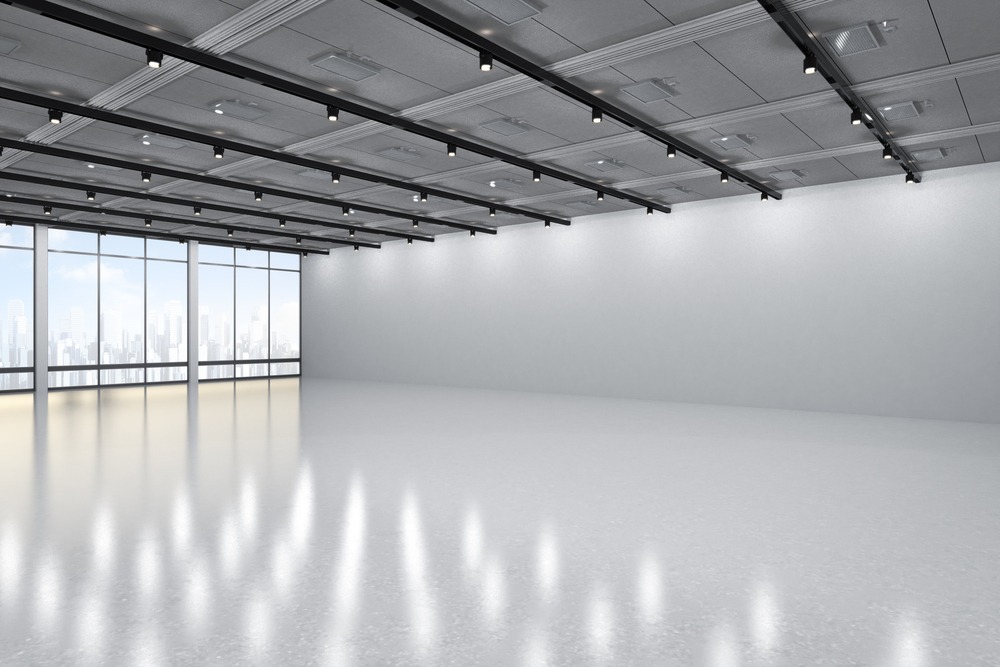
Epoxy flooring is widely used in USDA-regulated facilities. When properly formulated and installed, epoxy coatings can meet the material compliance requirements of 21 CFR 175.300. They create a seamless, nonporous surface that resists chemicals, cleans easily, and eliminates cracks or seams where bacteria can harbor.

USDA-approved epoxy flooring is commonly used in:

  • Dry and semi-dry food production areas (Zone B and Zone C)
  • Packaging and labeling zones
  • Dry storage and warehousing
  • Pharmaceutical and biotech manufacturing under FDA or USDA oversight
  • Processing areas with moderate chemical exposure and limited thermal cycling

A key consideration is thermal shock resistance. Standard epoxy can crack when floors shift quickly between hot washdowns and cold production conditions. In these environments, fiber-reinforced epoxy adds tensile strength, allowing the coating to flex with the substrate and resist cracking.

Moisture is another factor. Epoxy bonds best to properly prepared, dry concrete. Where moisture vapor transmission is present, a moisture mitigation primer helps prevent future delamination.

USDA Approved Polyurethane Flooring: Built for the Harshest Zones

For the most demanding areas in a USDA-regulated facility, urethane cement flooring often outperforms other systems. Also called polyurethane concrete, it combines Portland cement with urethane resin to create a floor that resists thermal shock, chemicals, and constant moisture better than standard epoxy.

USDA-approved polyurethane and urethane cement systems are commonly used in:

  • Meat and poultry processing areas (Zone A and Zone B)
  • Dairy and cheese production floors with frequent hot washdowns
  • Beverage production areas with steam cleaning
  • Commercial kitchens and food prep areas with floor drains
  • Any zone exposed to rapid temperature swings

Their key advantage is thermal shock resistance. Floors exposed to repeated hot washdowns and cold production conditions can crack if the system cannot handle rapid temperature changes. Urethane cement is designed to withstand these cycles without failing.

Urethane cement can also be installed over seven-day-old concrete and bonds to damp substrates, making it well suited for renovation projects where moisture conditions are difficult to control.

Epoxy vs. Polyurethane: Matching the System to the Zone

Both epoxy and polyurethane systems can satisfy USDA compliance requirements. The decision between them comes down to the specific performance demands of each zone in your facility.

FactorUSDA-Approved EpoxyUSDA Approved Polyurethane/Urethane Cement
Thermal shock resistanceModerate (improved with fiber reinforcement)Excellent
Chemical resistanceGood to excellentExcellent
Moisture toleranceRequires dry, cured substrateBonds to damp concrete
Installation on new concreteRequires fully cured concreteCan be install on 7-day-old concrete
Best zonesB, C, D (dry or semi-dry areas)A, B (wet processing, washdown areas)
Surface profileHigh-gloss, seamlessMatte to satin, seamless
Typical installed thickness1/8″ to 3/16″1/4″ to 3/8″
Relative installed costModerateHigher

In most large food facilities, the answer is not one system or the other. It is a combination: urethane cement in wet processing and washdown-heavy zones, epoxy in packaging, warehousing, and dry production areas. A thorough zone mapping and site assessment before specification ensures you are investing in the right system in the right place.

What USDA Inspectors Look for in Your Floors

Understanding what triggers flooring-related findings during a USDA inspection helps ensure your facility stays compliant and inspection-ready. Inspectors typically evaluate floors for sanitation, safety, and structural integrity.

Seamless, Nonporous Surfaces

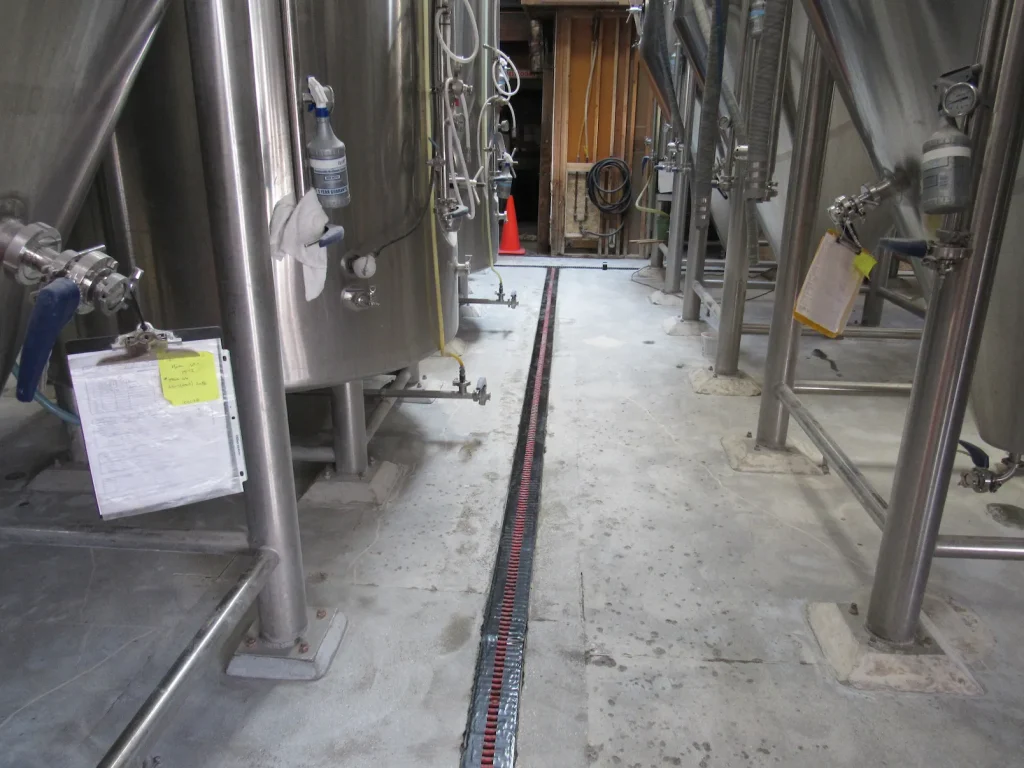
Floors should be seamless and free of cracks, joints, or voids where moisture and food debris can accumulate. Properly sealed joints and a smooth, cleanable finish help prevent bacterial harborage.

Adequate Slip Resistance

Wet processing areas require slip-resistant surfaces that protect workers while remaining easy to sanitize. The aggregate profile in the coating system must balance traction and cleanability.

Proper Drainage

Floors must support proper drainage and avoid water pooling. Correct slope-to-drain installation helps prevent standing moisture that can support microbial growth.

Chemical Resistance and Cleanability

Floor systems must withstand the cleaning agents used in daily sanitation without degrading. Confirm the coating’s resistance to the specific cleaners, sanitizers, and degreasers used in your facility.

No Delamination or Surface Failure

Lifting, bubbling, or adhesion failure can trigger inspection findings. Proper substrate preparation during installation is critical to prevent delamination and long-term deterioration.

Installation: What to Expect in a USDA-Regulated Facility

Proper installation in a food processing environment is not simply a matter of applying the right coating. The process itself must be executed to a standard that supports long-term compliance. Cutting corners during installation produces a floor that looks correct on day one and fails within two years.

A properly executed installation in a USDA-regulated facility follows this sequence:

  1. Zone assessment and specification: Map the facility by USDA zone, identify performance requirements for each area, and specify the appropriate system for each zone.
  2. Substrate evaluation: Assess concrete condition, moisture vapor emission rate (MVER), existing coating adhesion, and surface profile. This step determines whether a moisture mitigation system is required before coating.
  3. Surface preparation: Diamond grinding or shot blasting to achieve the correct surface profile (typically ICRI CSP 3 to CSP 5) for the specified system. Proper surface preparation is the foundation of adhesion.
  4. Moisture mitigation (where required): Application of a vapor barrier primer when MVER exceeds the manufacturer’s specified threshold.
  5. Primer and base coat application: Installation at the specified thickness and coverage rate, with full cure before subsequent layers.
  6. Broadcast and intermediate layers: Aggregate broadcast for slip resistance and texture, followed by an intermediate coat for build.
  7. Top coat application: Final sealer or top coat for chemical resistance, cleanability, and surface finish.
  8. Documentation: Product data sheets, batch numbers, installer records, and compliance documentation are retained as part of facility compliance records.

For facilities with tight production schedules, planning the installation around planned shutdowns is essential. The curing requirements for urethane cement and epoxy systems mean that floors cannot be returned to service before the cure is complete. Rushing this step is one of the most common causes of premature failure.

Maintaining USDA Compliant Flooring Over Time

A USDA compliant flooring system installed correctly will perform for 7 to 15 years under normal food processing conditions, provided it is maintained properly. Maintenance practices directly affect how long the system holds its sanitary surface and compliance status.

Key practices for maintaining USDA approved floor coatings include:

  • Use only compatible cleaning agents. Caustic cleaners above the pH tolerance of your coating system will degrade the surface over time. Confirm the chemical resistance window of your installed system and communicate it to your sanitation team.
  • Inspect regularly for surface damage. Small cracks, chips, or areas of wear should be addressed before they expand. Most coating systems can be spot-repaired with compatible products if damage is caught early.
  • Avoid high-pressure impact on damaged areas. High-pressure washdowns directed at a compromised surface accelerate deterioration. Temporary protective measures during the repair scheduling window help contain the damage.
  • Document maintenance and repair activities. Keeping a floor maintenance log supports USDA inspection readiness and provides a record of how the facility has addressed surface issues over time.
  • Plan for recoat cycles. Even well-maintained systems will eventually require a recoat in high-traffic zones. Building this into your facility’s capital planning prevents reactive repairs during operational periods.

Choosing a Contractor Who Understands What’s at Stake

Selecting the right coating system is half the equation. The other half is working with an installation team that understands how food facilities operate, what USDA inspectors look for, and how to execute a project without disrupting your production schedule.

At Peckham Coatings, we have been installing high-performance floor systems in food processing, dairy, pharmaceutical, and industrial facilities for over a century. We work exclusively with manufacturers whose products carry documented compliance with FDA and USDA regulations, and every project is scheduled around your operation so that installation fits within planned downtime rather than creating it.

If you are evaluating USDA-approved floor coatings for your facility, contact us today to request a technical consultation. Our team can assess each area of your operation, recommend the right flooring systems for specific zones, and guide you through the entire installation process from start to finish.

Frequently Asked Questions About USDA Approved Floor Coatings

Does the USDA actually approve specific floor coatings?

No. The USDA does not formally certify flooring products; coatings are considered compliant when their formulations meet FDA 21 CFR 175.300 requirements, and in some cases the USDA AMS may issue acceptance letters for specific products used in inspected facilities.

What is the difference between USDA and FDA compliant flooring?

FDA compliance under 21 CFR 175.300 governs coatings used in food-contact environments across FDA-regulated industries. USDA compliance applies specifically to meat, poultry, and egg processing facilities operating under USDA inspection.

Can regular epoxy be used in a USDA-inspected facility?

Only if the epoxy formulation complies with 21 CFR 175.300 for food-contact environments. Standard industrial epoxies not designed for food facilities typically do not meet this requirement.

How long does USDA approved epoxy flooring last?

Properly specified and installed systems typically last 7 to 15 years in food processing environments. Longevity depends on traffic levels, chemical exposure, washdown frequency, and maintenance practices.

What slip resistance is required for USDA-compliant floors?

There is no single universal slip-resistance standard for USDA facilities. The appropriate surface profile depends on traffic, wet conditions, and safety requirements, often aligned with OSHA walkway guidelines.

How do USDA-compliant floors support food safety audits like SQF and BRC?

Food safety audits evaluate flooring condition, cleanability, and sanitary design. Seamless, well-maintained flooring with proper documentation helps demonstrate compliance with sanitary infrastructure standards during audits.

Share this article :

Steven Peckham
We’re always happy to answer any of your questions.

Every project starts with a plan.

Get in touch today!

Contact Us
Service Interested in