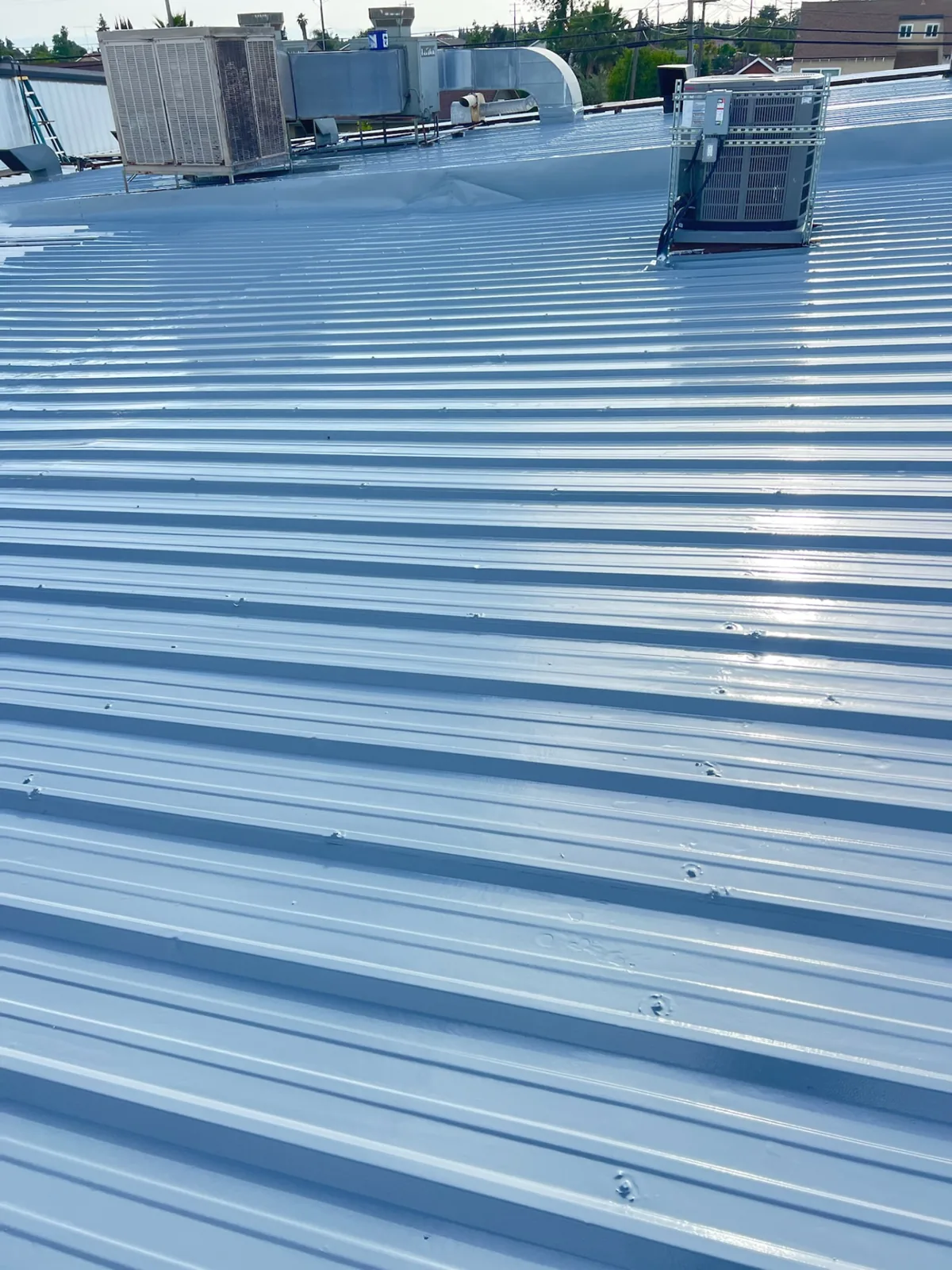
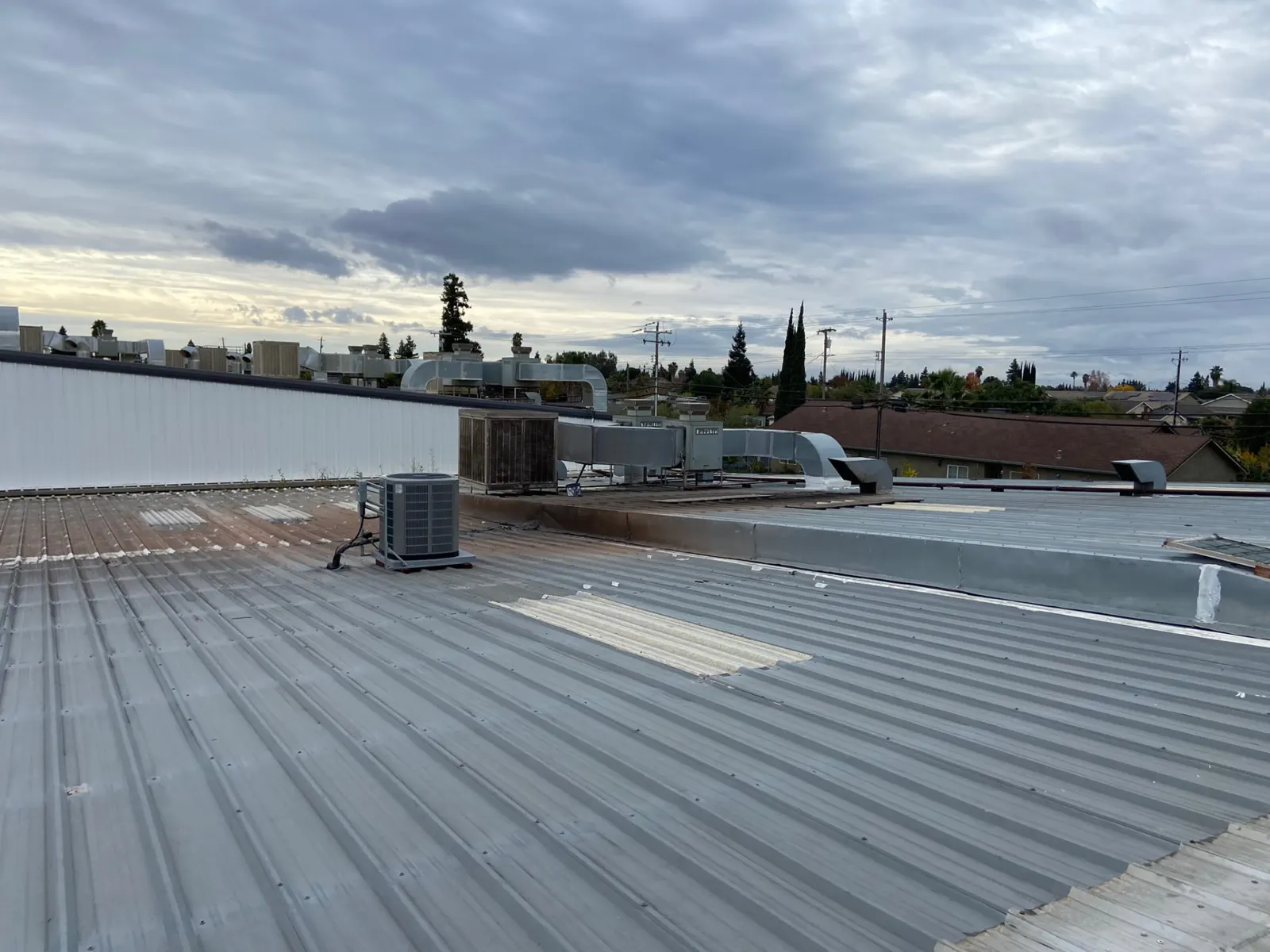
A clear forecast for one afternoon does not necessarily mean a roof is ready for coating. The surface may still be damp from an earlier shower, and newly applied material needs appropriate conditions afterward. For a facility manager, the useful question is whether the crew can prepare, apply and protect the system within the conditions required for that roof.
A practical schedule leaves room for inspection, preparation, application and delays. It also tells people inside the building when rooftop access or equipment work may change.
Start With the Roof, Not the Calendar
Arrange a roof assessment before reserving a work window. The contractor needs to understand the existing assembly, surface condition, drainage and any areas requiring repair. A coating is not a substitute for addressing wet insulation, damaged components or other conditions that make restoration unsuitable.
Ask which repairs, cleaning and drying must be completed before application. The assessment helps distinguish a routine schedule adjustment from a larger issue that requires a different scope. For a closer look at an existing coating's condition and compatibility, see our guide to commercial roof recoating assessments.
Review the Weather Window With the Contractor
Rain and surface moisture
Rain before work can leave water on or within the roof assembly. Rain after application can interfere with a coating that has not developed the protection required by its manufacturer. Timing depends on the selected system, the surface and the conditions on site.
Ask how the team will determine whether the surface is ready and what happens if rain arrives early. The contingency plan should identify who makes the decision, how unfinished areas will be protected and when the next inspection will take place.
Temperature, humidity and condensation
Air temperature alone does not describe the roof. The surface may be cooler or warmer than the surrounding air, and humidity can affect how some materials dry or cure. Condensation can be a concern when a surface is close to the dew point.
Ask the contractor to follow current product instructions and document the relevant readings for the selected system. For example, Gaco's application specification discusses weather, humidity and dew point. Its requirements apply to that system, not every roof coating. Conditions can change between an early start and a hot afternoon. Avoid relying on a single temperature rule for every coating.
Wind and application method
Wind can affect safe rooftop access and control of spray-applied material. Vehicles, air intakes, neighboring properties and sensitive operations may change the application plan. Discuss the method, protection measures and restrictions before the crew arrives.
Build a Schedule That Can Move
Set an initial work window, then identify a backup with the facility team. Include access for cleaning, repairs, deliveries, coating and inspection. If a delay would interrupt a shipment, production run or event, flag the conflict early.
A short daily check-in can cover the forecast, planned work areas, roof condition and changes to building access. Agree on who will notify employees, tenants and other contractors when the schedule changes.
Do not compress the work by assuming a fixed curing period. Return-to-service timing depends on the product, application and site conditions. Ask for the planned restrictions and release process in writing.
Coordinate Access and Rooftop Equipment
List the equipment and services that need roof access during the project. HVAC maintenance, deliveries and inspections may bring other people into the area. Agree on a route and contact person, and keep unauthorized traffic away from active work and areas not yet released.
Discuss outdoor air intakes and sensitive indoor activities with the contractor and the facility's responsible personnel. Adjustments to building equipment or operations should be planned and approved by the people responsible for those systems. An agreed site plan is more useful than an improvised shutdown.
Questions for the Planning Meeting
Which roof areas need assessment or repair? What conditions must be checked before and after application? How will rain or wind change the sequence? Who controls access and releases each completed area? Ask for the answers in the proposal or project schedule so operations, maintenance and the coating crew work from the same plan.
Frequently Asked Questions
Can a commercial roof be coated after rain?
Possibly, once the contractor has assessed the roof and confirmed the surface and assembly meet the selected system's requirements. Drying and checks depend on the conditions found.
Does a warm, sunny day guarantee a good application window?
No. Surface temperature, moisture, humidity, wind and conditions expected afterward can also matter. The contractor should follow the selected system manufacturer's instructions.
Can a facility stay open during roof coating work?
That depends on the site, application method and operating requirements. Discuss access, air intakes, sensitive activities and safety controls during planning.
Plan Your Roof Coating Project With Peckham
Peckham Coatings works with commercial and industrial facilities on roof coating systems. Share the roof type, operating constraints and preferred work window with the team to begin planning an assessment.