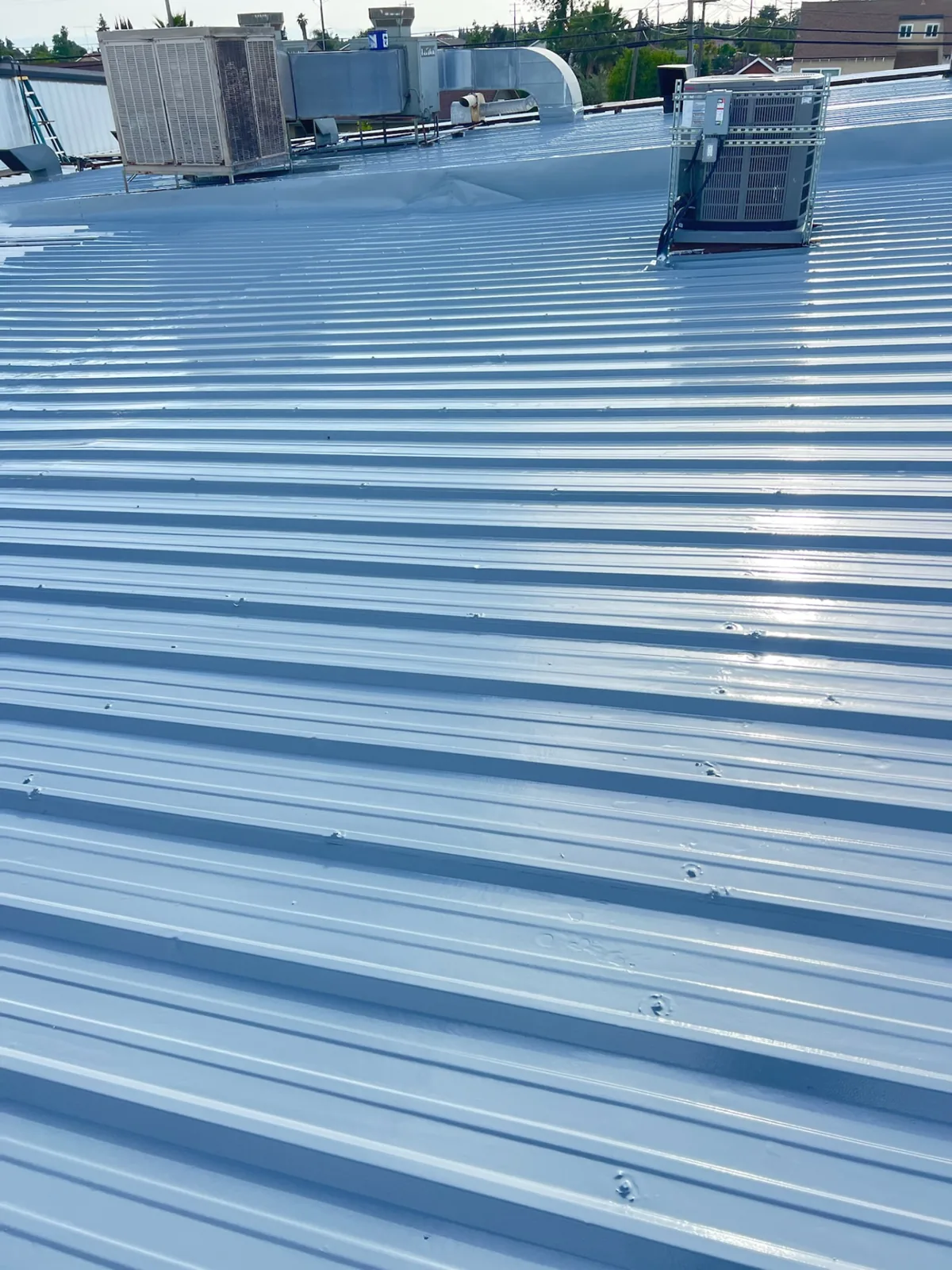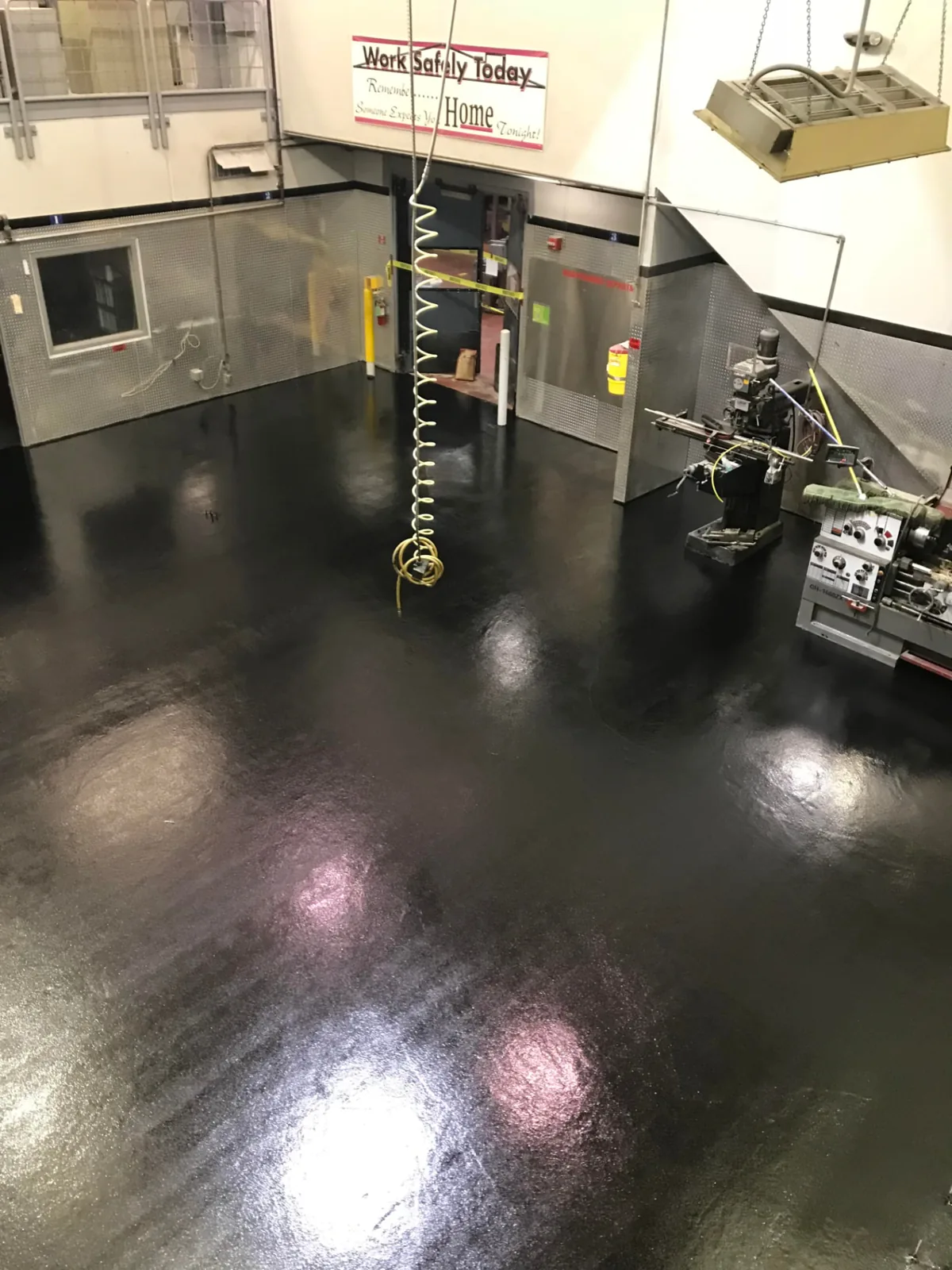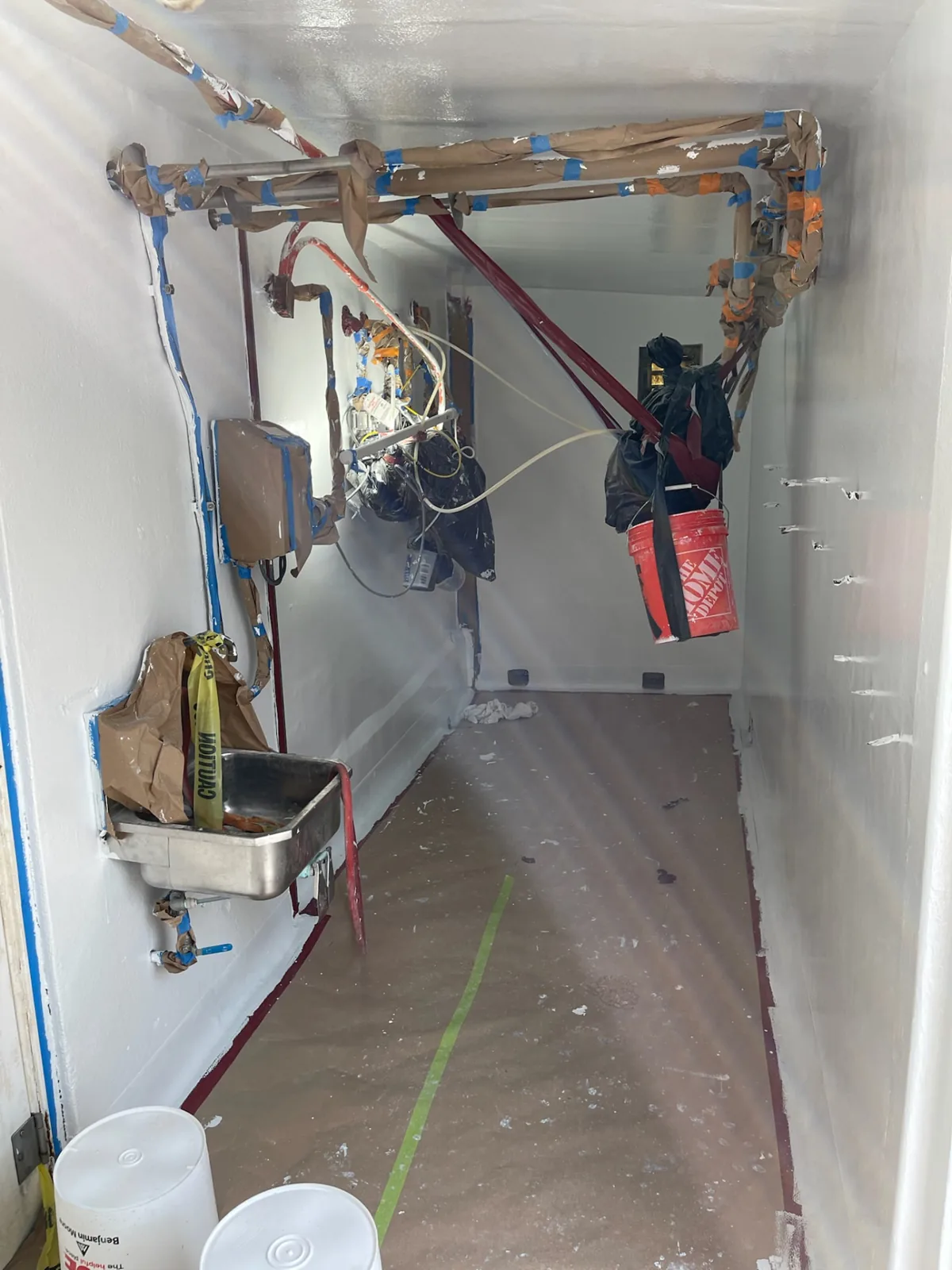
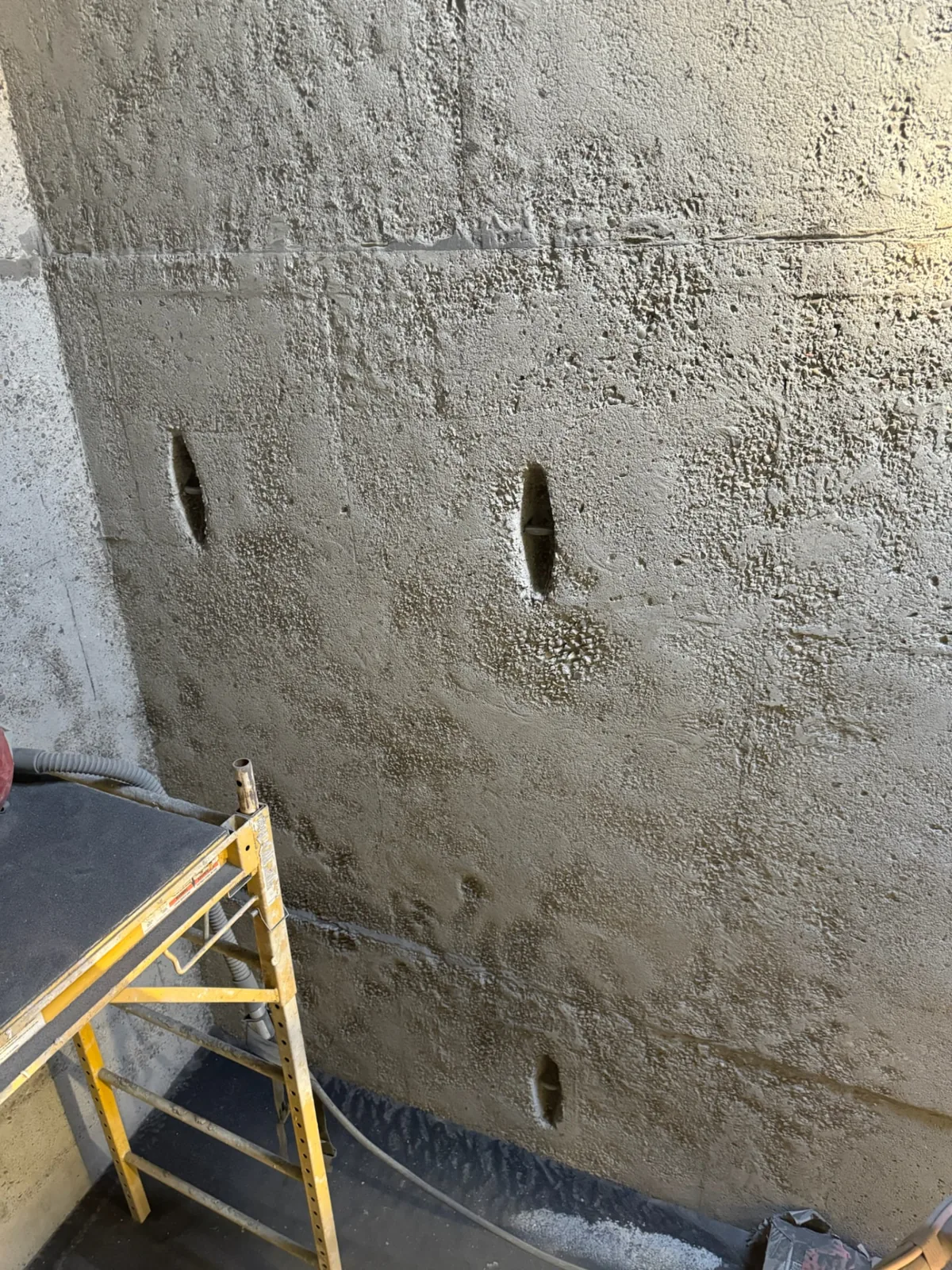
A wastewater coating repair can have a small footprint and still require a major operational commitment. The coating crew's work sits between the plant's preparations to release the asset and the checks needed before it returns to service.
Before requesting a firm shutdown programme, give bidders a scope that connects those stages. It should identify the asset, explain the known condition and establish who will handle the work that surrounds the coating repair. That gives operations and the contractor a shared basis for planning the outage.
Start with the asset and its service history
Use the plant's asset identifier on the scope, drawings and photographs. Include the structure's purpose, substrate, dimensions where known and the areas proposed for repair. Distinguish the internal lining from external surfaces so bidders understand what is included.
Gather available lining records, previous inspection findings and repair dates. Describe the actual service exposure and any known operational changes, then flag missing information for the assessment. An old product name without its installation or repair history leaves important questions open.
The EPA's asset-management reference guide connects asset inventories with operation, maintenance and financial planning for water and wastewater systems. For a lining repair, keeping the scope tied to the asset record also makes the completed work easier to find during the next planning cycle.
Separate confirmed work from work that needs inspection
Mark the visible areas of concern and include photographs with location references. Ask the contractor to identify what can be priced from the available information and what needs investigation after access is available.
The scope should explain how additional findings will be handled. Who will review a larger repair area? Who can authorize the change? What information will be needed to assess its effect on the outage?
Avoid burying that decision in a general allowance. A short, agreed process is more useful when the asset is already out of service and the project team needs to decide promptly.
Assign responsibility for making the asset available
Create a responsibility list covering the plant's release of the asset, cleaning arrangements, access provisions, adjacent work and waste handling. Have the appropriate operations and safety personnel define the requirements for the actual site and job.
OSHA's confined-spaces overview identifies tanks and vaults as examples of confined spaces and distinguishes the standards applicable to different work settings. Arrange the required site assessment and coordination before fixing the programme. The coating scope should reference the applicable site arrangements without trying to replace the safety plan.
Ask when the contractor can inspect the released work area and what happens if it is not ready on that date. Record the handover between plant operations and the contractor as a specific project milestone.
Identify the repair system and the documents behind it
Request the proposed repair materials, preparation scope and the manufacturer's requirements for the intended exposure. Include how the new work will meet the retained lining and how substrate repairs will be addressed where required.
Product families such as epoxy coatings and urethane coatings cover different applications. A generic family name does not establish suitability for a particular tank or vault. Ask for the specific system and the technical basis for its use on that asset.
Our wastewater coating services include work on treatment infrastructure. Bring the current lining information and service conditions to the discussion so the assessment can focus on your structure rather than a generic product comparison.
Put inspection and cure into the shutdown programme
Ask for a sequence showing preparation, substrate repairs, lining application, required inspections, any corrective work and the release for service. Identify who reviews each inspection record and which stages need acceptance before work proceeds.
Tnemec's published information for an immersion-service epoxy lists separate stages for touch-dry, recoating and return to service. It also notes that cure varies with conditions and film thickness. These are distinct milestones, and the schedule for your project should follow the requirements of its selected system.
Include time for the project's actual inspection and repair obligations rather than assuming the final application ends the outage. Ask the contractor to explain what would change the planned release date and how operations will be notified.
Agree on the return-to-service record
Before work begins, establish who will issue the completion records and who is responsible for accepting the asset back into operation. The coating contractor's completion milestone and the plant's operational release should be clear to everyone involved.
Request repair locations, product and batch information, application dates, specified inspection results, resolved defects and the documented cure or release requirements. Keep any outstanding items visible, with a named owner and response date.
Store the package against the asset identifier used at the start. When the next assessment is planned, the team should be able to see what was repaired, which records supported acceptance and what maintenance instructions apply.
Frequently asked questions
Can a repair be priced before the tank is available for inspection?
A contractor may be able to provide a preliminary scope from records and photographs. Ask which assumptions need verification and how findings after access will affect the confirmed work and price.
How long should a wastewater coating repair shutdown last?
Build the programme from the actual access arrangements, repair extent, selected lining and inspection requirements. Confirm return-to-service conditions with the contractor and manufacturer rather than applying a standard number of days to every asset.
Which records should operations retain?
Keep the scope, marked repair locations, material information, inspection findings and release documentation together under the asset identifier. Include any maintenance instructions and unresolved items.
Prepare your repair brief
Send us the asset details, available lining records, photographs and preferred outage window. We can discuss the assessment and information needed to develop the repair scope. Contact us about your wastewater coating project.