Dairy processing puts a specific combination of stress on a floor that most food facilities don't see at the same intensity: lactic acid from spilled and fermented product, hot caustic CIP wash cycles running well above 160°F, and near-constant moisture. Dairy flooring that's specified like a generic food-processing floor tends to fail faster than the plant engineer expects, usually starting with surface chalking that progresses to pitting within a couple of seasons.
The chemistry is the core problem. Lactic acid works on standard epoxy the same way it works on other bisphenol-A resins in acidic food environments — slowly at first, then visibly. Combined with thermal cycling from hot CIP washdown hitting a cooler slab, a floor spec that would hold up fine in a dry packaging room breaks down fast in a pasteurization or wash bay.
This guide covers what makes dairy floors uniquely demanding, what 3-A standards actually require, and how to specify by zone rather than defaulting to one system across the whole plant.
Why Dairy Floors Fail Faster Than Other Food Facilities
Dairy processing combines three stressors that most other food segments face separately: continuous moisture from washdown and product handling, acid exposure from milk, whey, and cultured products, and thermal cycling from CIP cycles that can exceed 180°F hitting floors that sit closer to ambient temperature the rest of the shift. Any one of these is manageable for standard epoxy. Together, they degrade a mismatched system within 12 to 24 months.
What 3-A Sanitary Standards Actually Require of the Floor
3-A Sanitary Standards, Inc. is the nonprofit standards body — backed by USDA and FDA participation — that develops hygienic design criteria for dairy processing equipment and facilities. While 3-A standards are written primarily around equipment design, the same hygienic-design logic extends to the floor and wall surfaces the equipment sits on: smooth, cleanable, non-porous surfaces free of the seams and gaps where product residue and bacteria can collect.
In practice, that means a dairy floor is evaluated the same way 3-A-compliant equipment is: can it be fully cleaned, does it resist the chemistry it's exposed to, and does it avoid crevices that trap moisture between cleaning cycles.
Dairy Flooring by Zone
Not every room in a dairy plant faces the same exposure. Receiving and raw milk handling see moderate moisture and occasional spills. Pasteurization and processing rooms see hot CIP cycles daily. Packaging and case-ready areas stay drier. Cold storage sees thermal cycling from ambient handling into refrigerated holding.
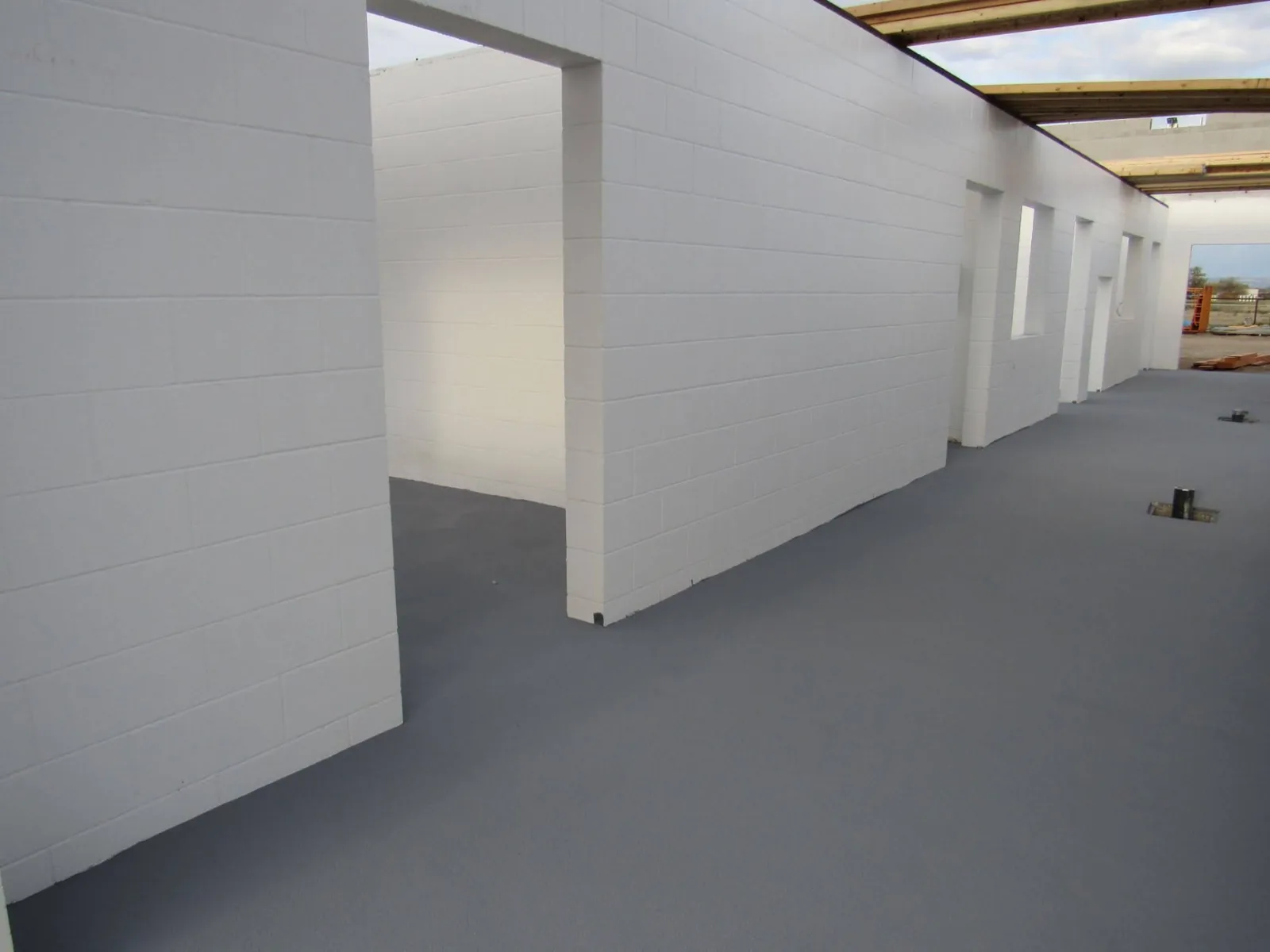
Urethane cement flooring is the standard specification for pasteurization, processing, and wash-down zones, where thermal shock and acid exposure exceed what standard epoxy tolerates long-term. Drier zones — packaging, dry storage, offices — can run a high-build epoxy system at a lower cost per square foot without sacrificing durability, since those rooms don't see the same chemical and thermal load.
Drain and Cove Detailing for 3-A Compliance
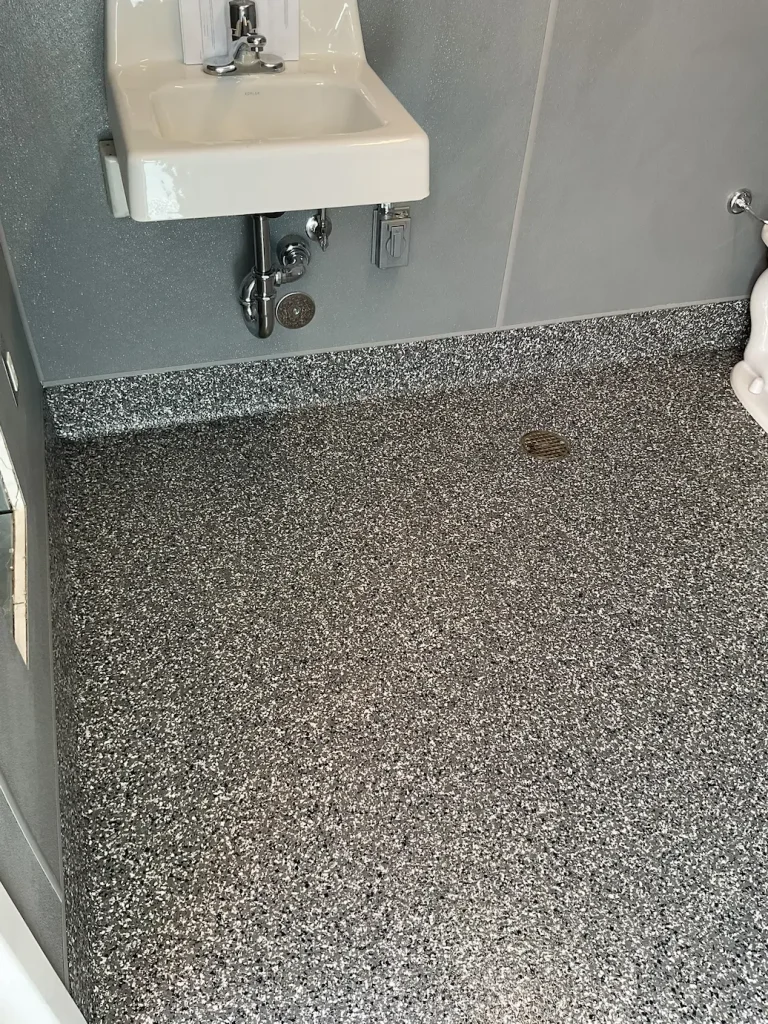
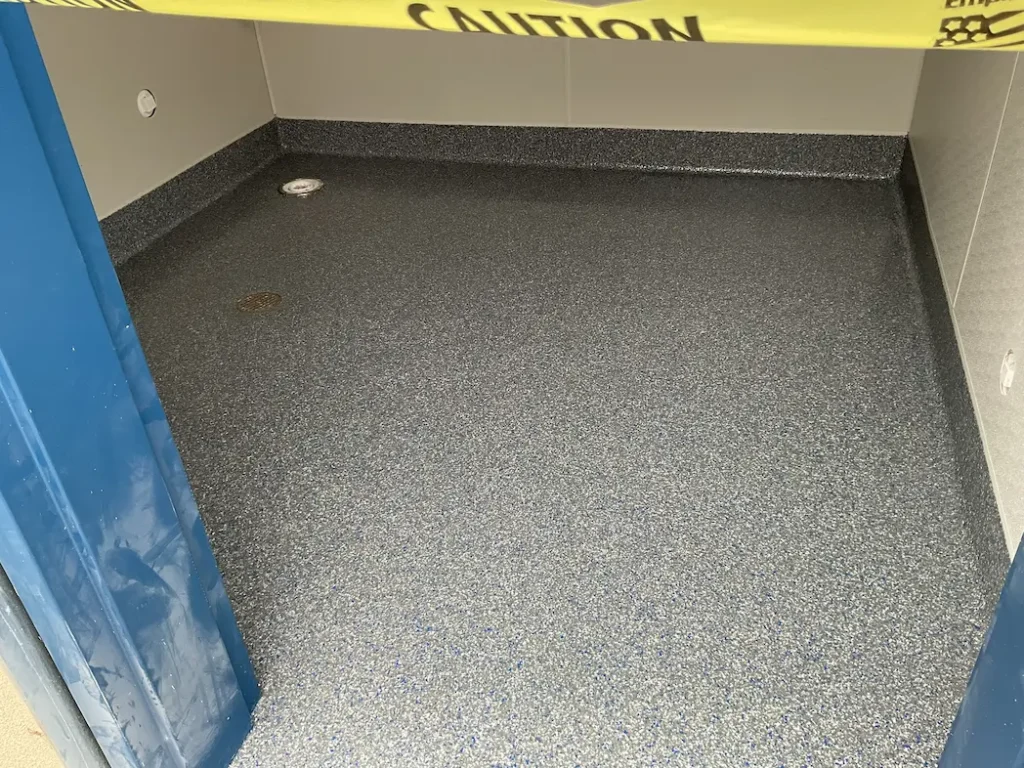
The floor field is rarely where a dairy plant fails an inspection. It's the details: the cove base where floor meets wall, the transition into floor drains, and the seal around equipment pads. A coved base — floor coating turning up the wall in a smooth radius rather than meeting it at a hard corner — eliminates the joint where residue and moisture would otherwise collect.
Drain integration matters just as much. Coating that stops short of the drain flange, or that's sealed with caulk rather than integrated into the coating system, is one of the most common failure points on an otherwise well-specified dairy floor.
Scheduling Around Dairy Production
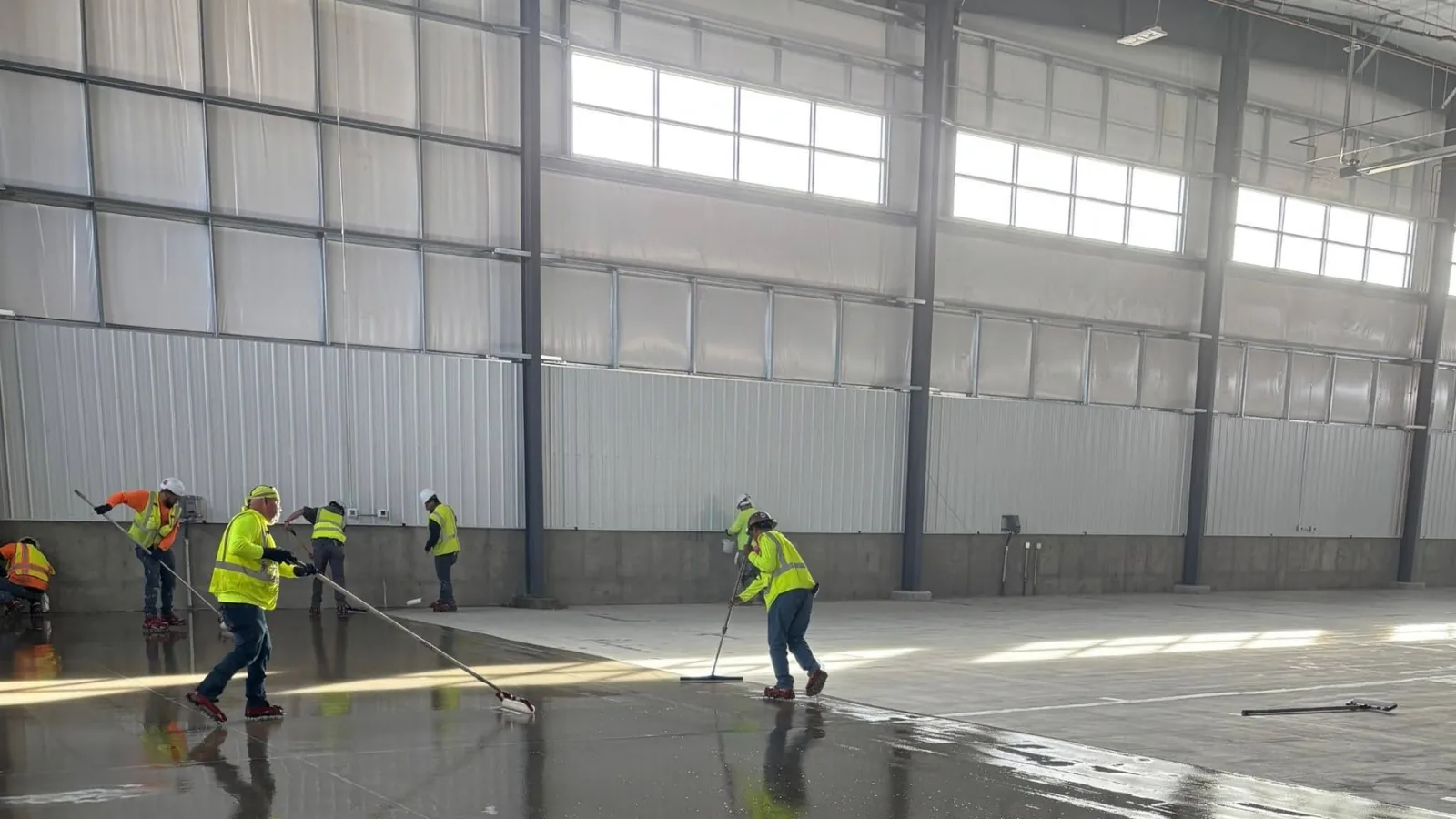
Dairy plants rarely have long shutdown windows, since raw milk intake runs on a schedule the plant doesn't control. Work gets sequenced room by room, often over weekend windows, so processing can resume Monday while other rooms are scheduled for subsequent weekends.
Match the System to What the Floor Actually Faces
A dairy floor faces a chemistry stack — acid, heat, and constant moisture — that most food-processing floors don't see at the same combined intensity, and specifying it like a generic food-plant floor is how facilities end up recoating every two to three years instead of running fifteen or twenty. Getting the zone-by-zone spec right the first time is the difference.
Peckham Coatings installs 3-A-aligned flooring systems for dairy processing facilities across the Western U.S., specified by zone for acid resistance, thermal cycling, and sanitation. Get in touch to talk through your plant's zone map and production schedule.
FAQ
What flooring is best for dairy processing plants?
Urethane cement is the standard for pasteurization, processing, and wash-down zones where hot CIP cycles and acid exposure are constant. Drier zones like packaging and dry storage can use high-build epoxy at a lower cost.
Is epoxy flooring 3-A compliant for dairy facilities?
Epoxy can support 3-A-aligned hygienic design when it produces a smooth, seamless, cleanable surface — but standard epoxy's acid and thermal tolerance limits it to drier, lower-exposure zones in most dairy plants.
Why does dairy flooring fail faster than other food-processing floors?
The combination of lactic acid exposure, hot CIP washdown, and constant moisture is more aggressive than most other food segments face, which is why a floor spec'd like a generic food-processing plant often underperforms in a dairy environment specifically.
How long does a properly specified dairy floor last?
A correctly zoned urethane cement system in wet processing areas typically runs 15 to 20+ years; epoxy in drier support zones runs somewhat less, generally in the 8- to 12-year range before a topcoat refresh is needed.