Why the contractor decision comes before the coating decision
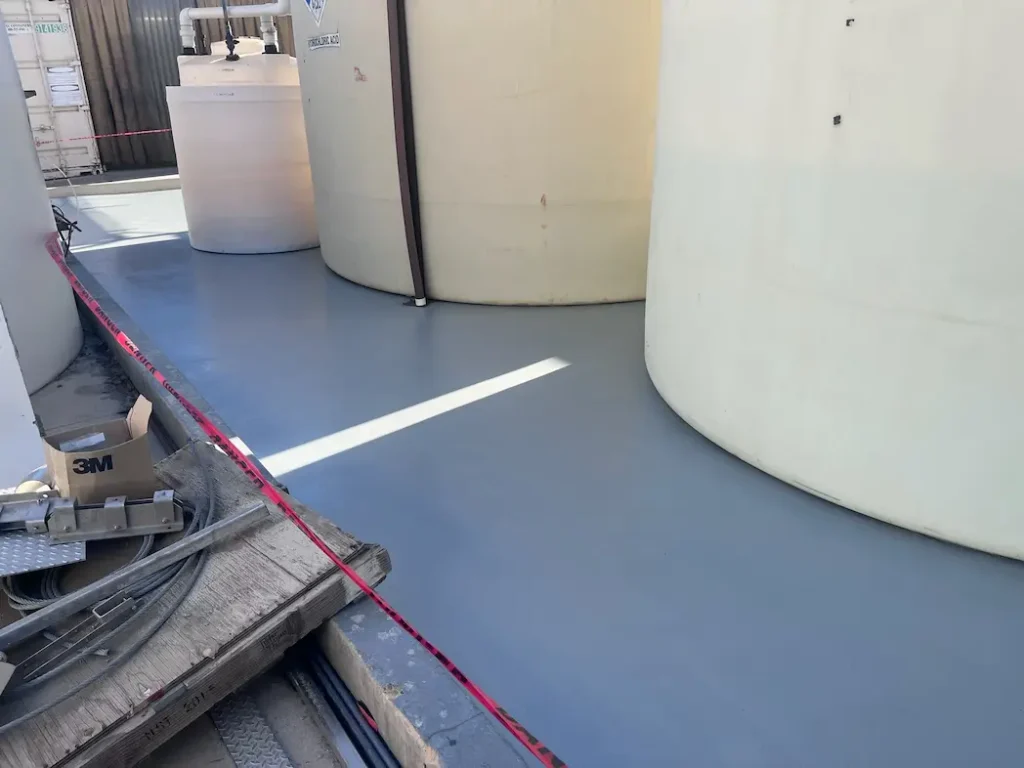
Facility managers spend weeks getting the coating spec right — chemistry, slip rating, compliance requirements — and then pick the contractor based on whoever returns the quote fastest. That ordering is backwards. A correct spec installed poorly fails just as fast as the wrong spec installed well, and in the Central Valley's food processing and agriculture-heavy industrial base, a failed floor means a production shutdown, not just a maintenance ticket.
Contractor selection matters more here than in a lot of markets, because Fresno and the surrounding Central Valley run on facilities that can't tolerate long downtime — packing houses, dairies, and processing plants operate on tight seasonal windows. The wrong contractor doesn't just deliver a worse floor; they deliver it on the wrong schedule.
This guide covers what actually separates a reliable industrial coatings contractor from one that looks the same on paper: licensing, crew certification, multi-state capability, and how they handle scheduling around an active facility.
Why Contractor Selection Matters More Than Material Selection
The coating material gets most of the attention in a spec, but installation quality determines whether that material performs anywhere close to its rated lifespan. Surface prep, mix ratios, cure conditions, and application technique are all installer-dependent — the same product installed by two different crews can produce two very different results.
Start with licensing. California requires a valid Contractors State License Board (CSLB) license for any project over $1,000 in combined labor and materials, and the CSLB's public license lookup shows status, classification, bond, and complaint history before you sign anything. Skipping that check is the single easiest mistake to avoid.
What Multi-State Capability Actually Means for a Central Valley Project
A contractor that only works within a 50-mile radius has limited crew capacity and equipment access compared to one that mobilizes across California, Nevada, Utah, and the broader Western U.S. That matters when your project timeline depends on crew availability, not just contractor willingness.
Multi-state capability also signals something about scale and consistency — a contractor running projects across several states has systems in place for quality control and scheduling that a single-market operation may not have built out yet.
Certified Crews and Why That Credential Matters for Compliance-Heavy Facilities
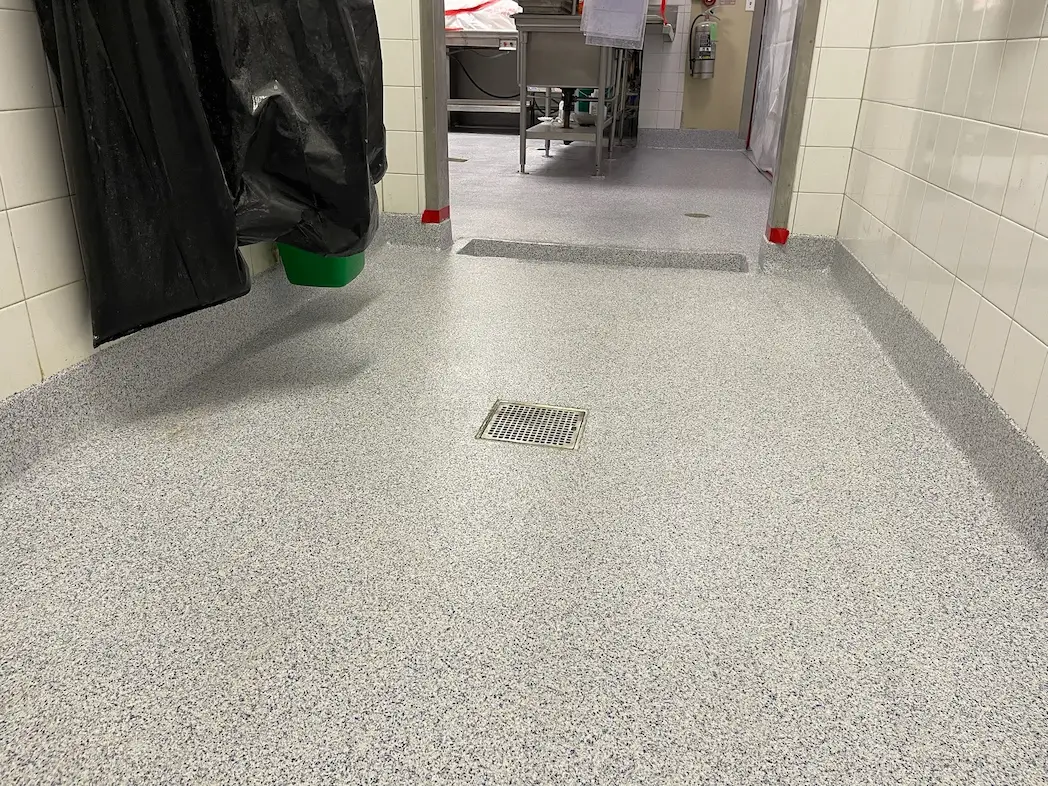
The Central Valley's industrial base leans heavily on food processing, dairy, and agriculture — facilities where the flooring is part of a regulatory compliance picture, not just a maintenance decision. A crew without proper training on food-grade or USDA-adjacent systems can install a technically correct product in a way that still fails an inspection.
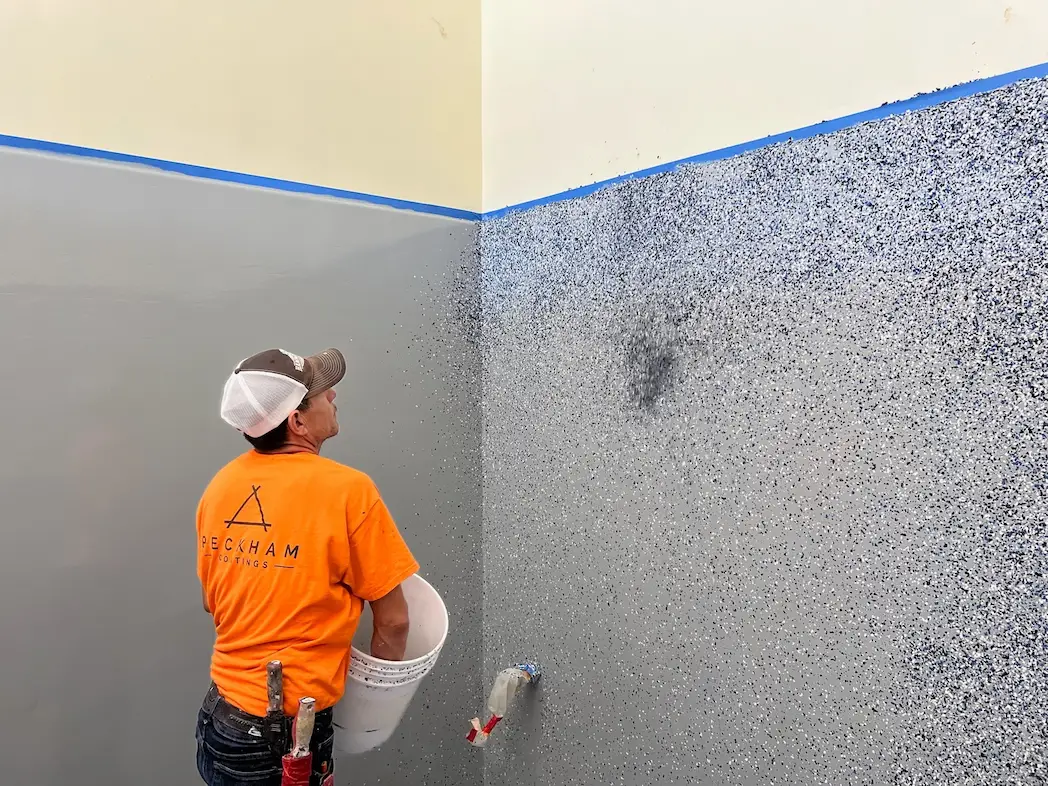
Ask directly what certifications the installation crew carries, not just what the company's marketing materials claim. The people mixing and applying the coating are the ones who determine whether it performs — the company's reputation doesn't install the floor.
Questions to Ask Before Signing a Contract
A short list of direct questions separates a serious contractor from one that's guessing: Who is the crew that will actually be on-site, and what's their experience with this specific coating system? What does the warranty cover, and for how long? How is the project sequenced if the facility can't fully shut down? What happens if substrate conditions turn out worse than expected once the existing floor is removed?
A contractor who answers these specifically, with real numbers and a real plan, is a different category from one who answers in generalities.
Scheduling Around the Central Valley's Agricultural and Industrial Calendar
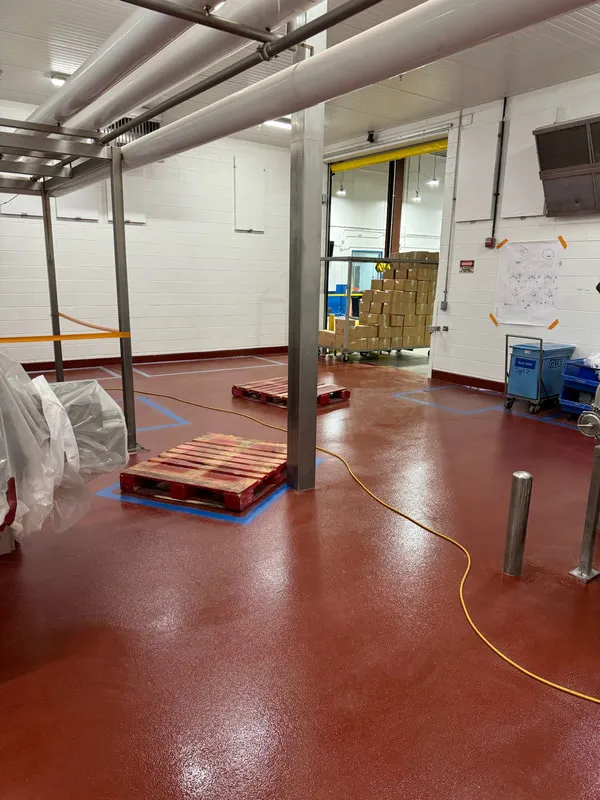
Packing and processing facilities in the Central Valley run on harvest seasons, which means the maintenance windows for a floor recoat are often narrow and non-negotiable. A contractor unfamiliar with that calendar can propose a timeline that looks fine on paper and conflicts directly with peak production.
The better approach is sequencing work by zone during the facility's actual downtime — not the contractor's preferred schedule — which requires a contractor experienced enough with the region's industrial rhythm to plan around it instead of working against it.
Conclusion
The material spec gets a floor built to the right standard. The contractor determines whether it's actually installed that way, on a schedule that doesn't cost the facility more in downtime than the project itself. In a market as compliance-heavy and seasonally tight as the Central Valley, that distinction is worth checking before signing anything.
Peckham Coatings is a family-run coatings contractor based in Fresno, with certified crews and multi-state mobilization across the Western U.S. Get in touch to talk through your project's timeline and scope.
FAQ
How do I verify an industrial coatings contractor's license in California?
Use the CSLB's public license lookup tool to search by license number, business name, or personnel name. It shows license status, classification, bond, and any disclosed complaints before you sign a contract.
What certifications should an industrial coatings crew have?
Look for crew-level training specific to the coating system being installed, plus safety certifications relevant to your facility type — food-grade or USDA-adjacent training matters most for processing and agricultural facilities.
How long does an industrial coating project take in a working facility?
It depends on square footage and whether the project can be zoned, but a contractor experienced with active facilities should be able to sequence work to minimize downtime rather than requiring a full shutdown.
Do I need a multi-state contractor if my facility is only in California?
Not necessarily, but multi-state capability often signals more established crew capacity, equipment access, and scheduling systems — useful even for a single-state project if your timeline is tight.
What's the biggest mistake facilities make when hiring a coatings contractor?
Choosing based on quote speed or price alone, without verifying licensing, checking crew-level experience, or asking how the contractor plans to work around an active facility.